
Stillwater Success: How to Get the Best from WDAC Lakes
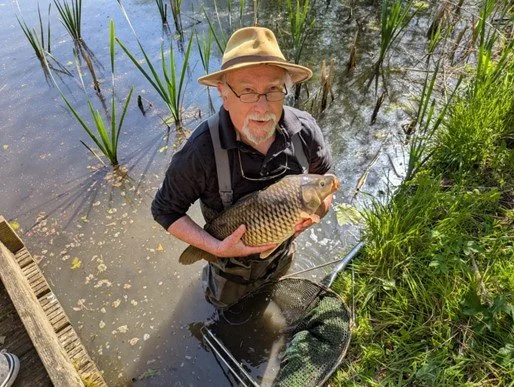
Chairman Mike Leading the Way
A Variety of Venues
Stillwater fishing is at the heart of the Wimborne & District Angling Club experience, offering members access to a diverse range of lakes that cater for both coarse and game anglers. From well-stocked carp waters to quieter venues with plentyof silvers, the club’s stillwater portfolio provides something for every angler. Success, however, is rarely accidental. Understanding how to approach different lakes, adapt to conditions and refine your tactics is key to making the most of your time on the bank.
Understanding WDAC Stillwaters
Each lake within the club has its own character. Some are mature, heavily featured waters with established fish stocks, while others are more open and require a mobile approach. Stocking levels, depth, weed growth and angling pressure all influence how fish behave. Taking time to learn the nuances of each venue will put you at a significant advantage.
Heavily fished lakes often see fish becoming cautious, especially larger carp. In contrast, less pressured waters may reward a simpler, more direct approach. Observing how others fish, noting productive areas and keeping a mental record of successful sessions can help build a clearer picture over time.
Float Fishing for Silvers
For those targeting roach, rudd, and perch, float fishing remains one of the most enjoyable and effective methods. WDAC lakes offer excellent opportunities for silver fish, particularly for anglers who enjoy a more active and responsive style of fishing.
Presentation is everything when float fishing. A well-balanced rig that allows your bait to fall naturally through the water column can make all the difference. Light lines, small hooks and subtle shotting patterns help create a delicate setup that encourages bites. Feeding little and often keeps fish interested without overfilling them.
Swim choice plays a major role. Features such as marginal shelves, reed lines and overhanging trees are natural holding areas for silvers. In warmer months, fish may sit higher in the water, while in cooler conditions they often feed closer to the bottom. Adjusting depth regularly ensures you stay in contact with feeding fish.
Carp Tactics for Stillwater Lakes
Carp fishing on WDAC waters can be both exciting and challenging. With fish of varying sizes present across different lakes, adapting your tactics to suit the venue is essential.
Location is the most important factor. Carp are constantly on the move, so finding them is often more important than what bait you use. Early mornings and evenings are particularly productive, with fish frequently cruising in the margins or near the surface. During the day, they may hold up in deeper water or around features such as islands and weed beds. Bait choice should reflect both the season and the level of angling pressure. Boilies, pellets and natural baits all have their place. On pressured waters, scaling down your approach with smaller hookbaits or more subtle rigs can make a difference. Accurate feeding, rather than excessive baiting, tends to produce more consistent results.
Rig simplicity is often overlooked. A well-tied, reliable rig presented in the right place will outfish a complicated setup every time. Ensuring your end tackle is strong and well-maintained is equally important when targeting larger fish.
Adapting to Weather Conditions
Weather has a significant influence on stillwater fishing, and successful anglers learn to adapt quickly. Wind, temperature and light levels all affect how fish behave.
A warm wind blowing into a bank can push food and oxygen into that area, attracting fish and making it a prime location. Conversely, cold winds often have the opposite effect, making more sheltered areas preferable. Bright, sunny conditions can push fish deeper or into shaded areas, while overcast skies tend to encourage more confident feeding.
Temperature changes across seasons also dictate tactics. In summer, fish are more active and willing to chase moving baits or feed higher in the water. In winter, a slower approach with minimal feeding is usually more effective, as fish conserve energy and feed less frequently.
Dealing with Angling Pressure
Fishing pressure is a reality on popular club waters, and it can make a noticeable difference to results. Fish that see a lot of anglers quickly become wary, particularly of common rigs and baits.
To counter this, subtle adjustments can be highly effective. Fishing at quieter times, choosing less obvious swims and varying your presentation can all help you stand out. Even small changes, such as altering hookbait size or colour, can trigger bites when others are struggling. Mobility is another valuable tactic. If a swim is not producing, being willing to move and search for fish can transform a session. Observing signs such as bubbling, rolling fish or disturbed water will guide your decisions.
Making the Most of Every Session
Consistency in stillwater fishing comes from a combination of preparation, observation and adaptability. Arriving at the lake with a clear plan is useful, but being flexible enough to change that plan is what separates average sessions from successful ones.
Keeping your approach simple, focusing on location and paying attention to conditions will steadily improve your results. Over time, experience on WDAC lakes will build confidence and allow you to fine-tune your tactics for each venue.
Stillwater fishing offers endless variety, whether you are targeting a net of silvers on the float or waiting for a carp to test your setup. By understanding the waters, refining your methods and responding to changing conditions, you can truly get the best from what WDAC lakes have to offer. If you have any tips or recommendations to make our lakes even more enjoyable, drop me a line: media@wimbornefishing.com
Tight Lines,
Gordy